
Practice area 01
Agricultural and wine law
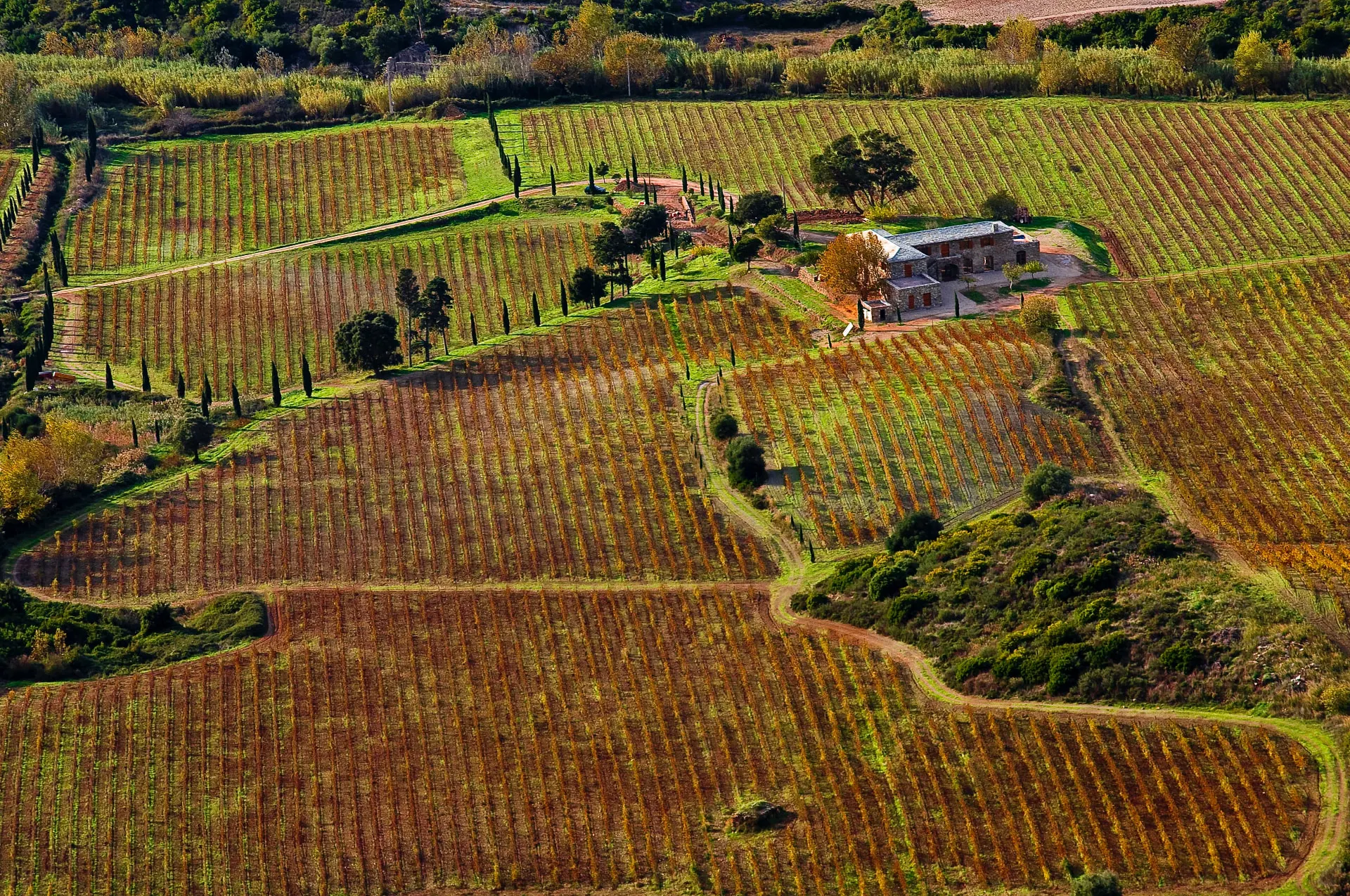
From the plot of land to the exported bottle, farming and winemaking are among the most heavily regulated activities in French and European law. Rural leases, structural control, appellations, labelling terms and excise duties: every step affects the value of an estate and the reputation of a name.
A graduate of the University of Bordeaux Master II in Wine and Vine Law, William Kender's practice focuses on agricultural and wine law in Paris. He advises farmers, estates, négociants, cooperatives and importers on land matters as well as on protecting their products and brands, including in French-American matters.
Tangible rural assets
The land and the farm: their legal framework determines the future of the estate.
Rural leases and farm structuring
- Drafting rural lease agreements
- Adjustment of unlawful or excessive rent (fermage)
- Termination of rural leases
- Notices to recover land for personal use (congé pour reprise)
- Structural control and SAFER procedures (pre-emption, resale, etc.)
Farming companies, land holding groups and cooperatives
- Choosing the right structure (EARL, SCEA, GAEC, etc.)
- Tax rules and estate consequences of the corporate form
- Agricultural, wine and customs taxation (excise duties, VAT, international tax)
- Sale, supply and distribution agreements
Intangible rural assets
What gives a wine its value is not always visible: a name, an origin, a reputation.
Quality signs and compliance
- Protection and enforcement of quality and origin signs (AOP, IGP, IGPIA, Organic)
- Labelling, advertising and regulatory compliance of products
- Representation before the DGCCRF, DREETS and customs authorities
Trademarks and litigation
- Wine, spirits and agri-food trademarks, portfolio management
- Counterfeiting, unfair competition and misleading practices litigation
Coordination with other professionals
Depending on the needs of the matter and with the client's consent, the firm may coordinate with other professionals (agricultural experts, notaries, industrial property advisors).
FAQ
Frequently asked questions
A protected designation of origin (PDO, appellation d'origine protégée or AOP) designates a product whose production steps all take place within a defined geographical area, using recognised know-how, and whose characteristics are essentially due to that geographical environment. A protected geographical indication (PGI, indication géographique protégée or IGP) requires a looser link: at least one production step must take place in the area, and the product must have a quality or reputation attributable to its origin. Both are registered at EU level on the basis of a product specification (cahier des charges) and are overseen in France by the INAO.
Yes, in several cases. Rent (fermage) must be set between the maximum and minimum amounts fixed by the prefect: if it exceeds them, the tenant may ask for it to be brought back within the legal limits and recover the sums unduly paid, subject to the limitation period. In addition, where the agreed rent departs by at least one tenth from the normal rental value, either the tenant or the landlord may, during the third year of the lease and once per lease, apply to the rural lease tribunal (tribunal paritaire des baux ruraux) to set the normal rent for the remaining term (article L. 411-13 of the French Rural and Maritime Fishing Code).
Only with great caution. Names protected as a PDO or PGI are protected against any direct or indirect commercial use, and against any evocation, for products that do not comply with their specification. A trademark incorporating an appellation may only be registered and used for products that comply with that specification, and without misleading consumers as to origin. Certain terms, such as « château » or « clos », are moreover reserved for appellation wines from a specific estate. A prior check is essential before any filing.
A French trademark has no effect in the United States. You must either file directly with the USPTO or extend a French or EU trademark through the Madrid system, designating the United States. In both cases, an applicant based outside the United States must be represented by an attorney admitted to the bar of a U.S. state, and will have to show use of the mark in the United States. For wines, the label must also be approved by the competent federal authority (TTB, COLA procedure) before any sale, independently of the trademark registration.
Fees are agreed with the client in a written fee agreement, in accordance with article 10 of the French law of 31 December 1971. Depending on the matter, they may be based on time spent or a fixed fee and, where applicable, include an additional success-based fee. Information on how costs are determined is provided before any work begins.
General information article, up to date as of October 10, 2026. It does not constitute legal advice and cannot replace an attorney's analysis of a specific situation.
Let's talk about your estate
Describe your situation in a few lines and the firm will get back to you to arrange a meeting.
Book a meetingOther practice areas
- 02
Intellectual property
Trademarks in France, the European Union and the United States.
Learn more — Intellectual property- Trademark filings before INPI, EUIPO and USPTO
- Portfolio strategy and management
- Infringement actions
- Unfair competition
- Support for creators and innovative companies
- 03
Estate and private international law
International estate matters, successions and private international law.
Learn more — Estate and private international law- Advice to individuals and bi-national families
- Foreign estates and investors in France
- Cross-border successions and marital property
- Private international law